
Climate change is impacting all generations, but how we show up to the challenge and how we care might differ. How can we understand each other and work together for our shared future?
At our recent Let’s Talk Leadership event, Abbey Piazza, Bob Willard, and Desiree Maurice explored how different generations think about and respond to sustainability and climate action.
They shared practical insights on connecting with people, from navigating affordability pressures and building trust to having meaningful conversations without even needing to mention the “S” word.
Here are some of the key takeaways from their discussion to help people of all ages have their own “aha” moment about climate change.
Connecting the dots is one of our biggest challenges
For changemakers, one of the toughest challenges isn’t designing the perfect sustainability strategy or launching the most innovative climate initiative.
The real challenge is connecting the dots to help people find their “aha” moment – the moment when they see that the change we seek can align with their current priorities.
Climate change touches almost every part of society. But not everyone experiences it the same way. This is especially true across generations.
Younger people may be aware and motivated, but they are juggling student debt, housing costs, and finding meaningful work. Mid-career adults are trying to balance careers and family responsibilities. Older generations may be focused on retirement security or healthcare.
Affordability cuts across all of this. As Abbey put it, “Affordability is a huge crisis, and it’s really hard for some people to care about environmental issues when they can’t even afford to pay their bills.” Daily pressures often outweigh even the most urgent climate concerns.
And as Bob reminded us, that’s perfectly okay. We need to “acknowledge that their prioritization of issues is perfectly valid, and what we need to do is help them achieve whatever it is they are trying to achieve – a good job, affordability, etc.” while also addressing climate change. These issues don’t need to be separate. We need to show them that our proposal is a means to their ends.
Building on that, Desiree added an important perspective: “It’s a privilege to be able to worry about climate change.”
For many people, climate action sits behind a long list of more immediate needs. Recognizing this is an essential starting point for building understanding, empathy, and meaningful engagement.
Encouraging productive (not confrontational) conversations
All of this – different priorities, affordability pressures, and the reality that not everyone has the same capacity to focus on climate – shapes how we talk about climate change in the first place.
When it comes to climate action (or any emotionally charged topic), it’s easy to fall into the trap of trying to win the conversation instead of connecting through it.
But debating someone rarely brings them any closer to their “aha” moment. As Desiree reflected, “You’ll never change people’s minds if you are shaming them.”
So how do we do this in practice?
Abbey suggested an approach rooted in relational organizing, one that starts with genuine curiosity rather than persuasion. Instead of trying to convince someone, you lead with deep inquiry, listening for what the root cause is behind their struggles.
From there, you can build a bridge between their lived experience and your cause, grounded in trust and understanding.
Encouraging productive conversations doesn’t mean watering down your beliefs or avoiding hard topics. It means creating space for dialogue that moves people forward, not further apart.
Meeting people where they are
Meeting people where they are was a theme that kept coming up throughout our conversation. Desiree reminded us of an old saying: we have two ears and one mouth for a reason. It’s a simple reminder to listen first and really hear what your community has to say.
“Bringing together youth and elders breeds innovation,” she said. “The only way we can [build] up is to start at the bottom… and meet them where they are at. And where they are at is at home, on the ground, and in community.”
She also reflected on her own career and the importance of educating youth in a way that meets them. “A lot of the time, people speak in these big business terms and it makes people feel so scared [to get into this work],” she said.
Bob pulled on this thread, recalling a conversation he once had with Amory Lovins from the Rocky Mountain Institute about never using the “S” word – sustainability.
Amory told him that whatever you’re talking about, make it resonate with the audience. “If they want to talk about water, we talk about water. If they want to talk about trees, we talk about trees.”
He added, it’s a reminder of how intimidating our language can be to others who aren’t using it. “Sustainability has six syllables, profit has two. So if you’re talking to a business person – keep it simple!” he said.
Intergenerational climate leadership moving forward
When asked what true intergenerational climate leadership looks like for the future we’re working towards, our panellists shared some practical and inspiring insights:
- Mentorship is key, but it needs to go both ways. Leadership can flow from elders to youth but also from youth to elders, creating opportunities for us to learn from each other across generations.
- Don’t burn yourself out. Remember to include an element of fun in your work. Sustainability is urgent, but it’s also a journey we need to enjoy with the people and land around us.
- We need to scale our successes. What we’re doing locally can serve as a proving ground that we can replicate, clone, and spread. The smarter we are at packaging and sharing these initiatives, the more impact we can create across communities and sectors, and over time.
- Systemic change requires education and empowerment. We need to give the next generation the tools and capacity to take on the systems we’re trying to transform. That means engaging with people at every level, asking the right questions, and ensuring everyone has a voice in shaping the solutions that affect them.
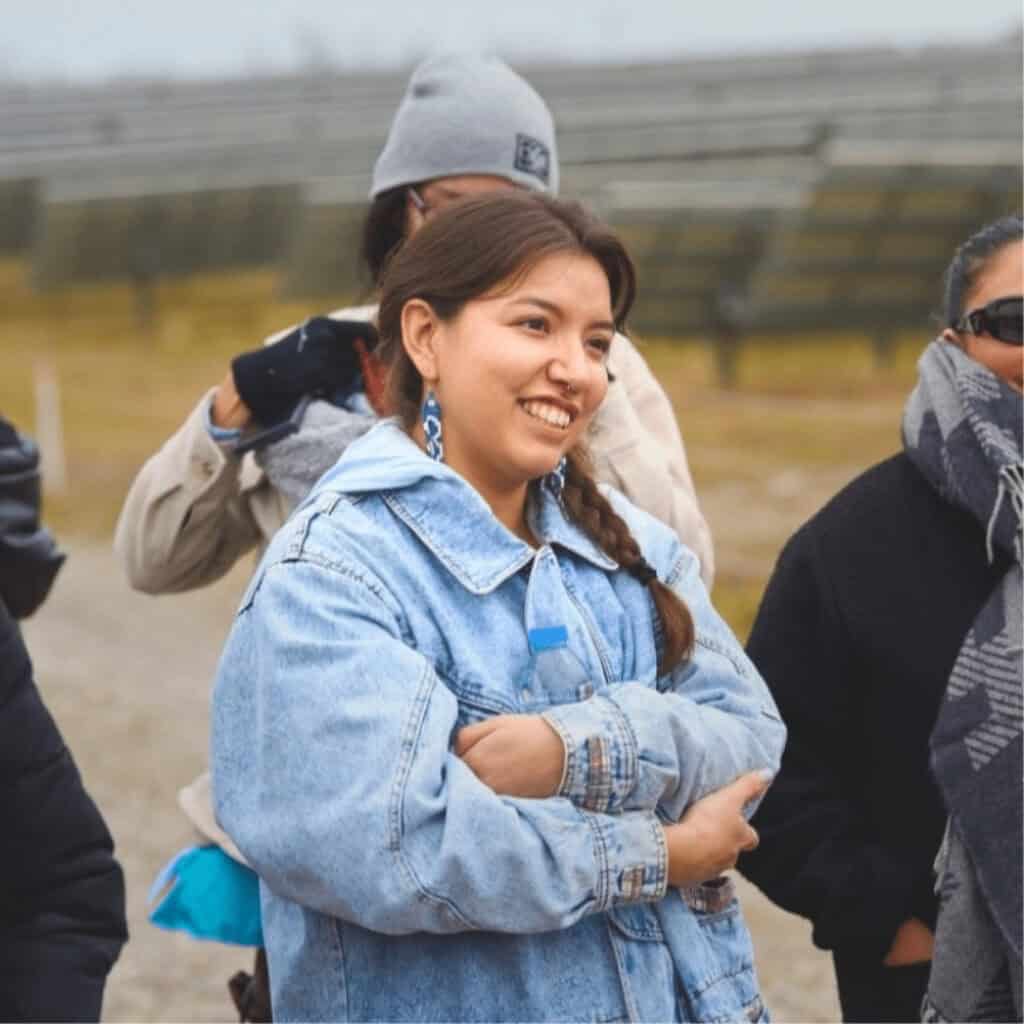
Desiree Maurice
Desiree Maurice is the Community Energy Coordinator for the Lac La Ronge Indian Band, advancing Indigenous-led clean energy and climate resilience in Northern Saskatchewan.
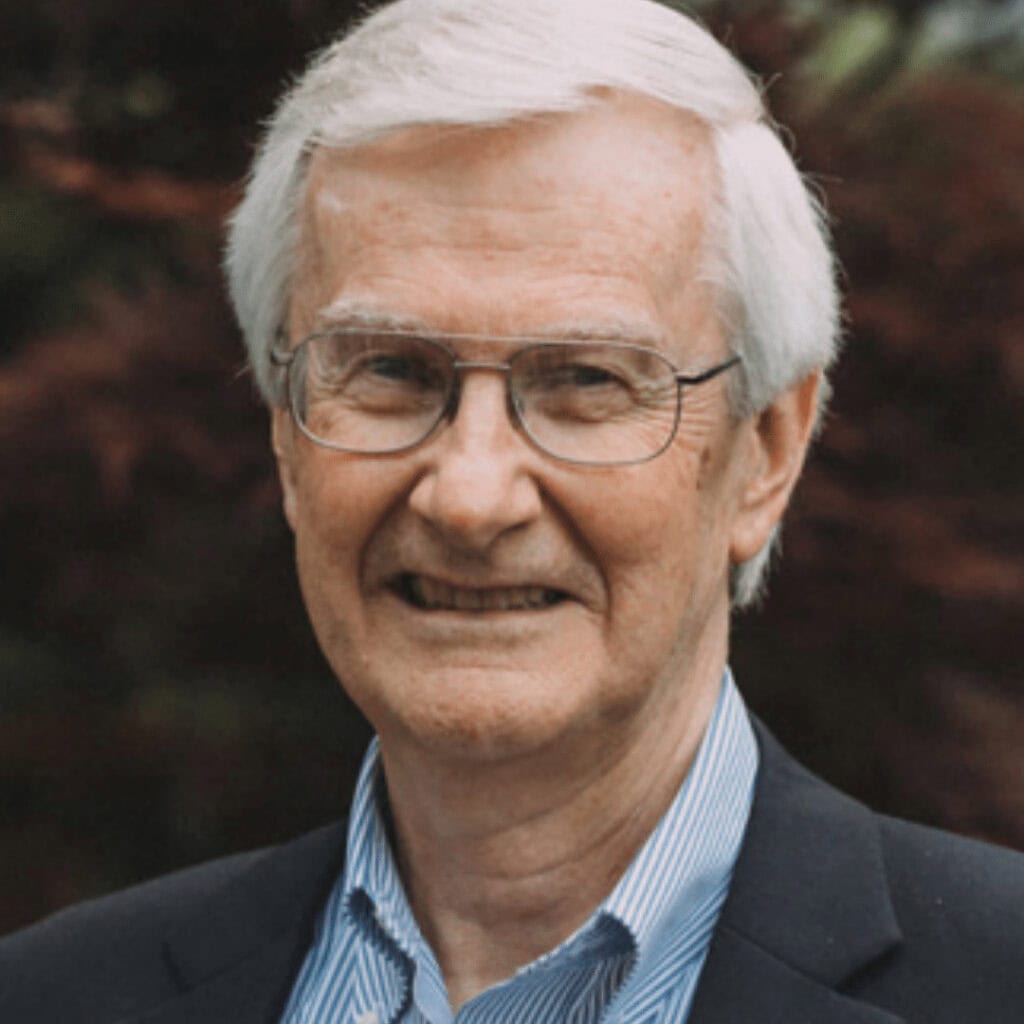
Bob Willard
Bob Willard is the Founder and Chief Sustainability Champion at Sustainability Advantage. He is a leading expert on sustainability justifications, sustainability reporting frameworks, and sustainable procurement.
Over the last 23 years, he has given over 1,800 presentations, has authored six books, and published two white papers.

Abbey Piazza
Abbey Piazza is a climate activist with over nine years of experience building partnerships across government, labour, and nonprofit sectors.
As Manager of Strategic Partnerships at Youth Climate Corps BC (YCCBC), she leads the effort to grow a province-wide Youth Climate Corps, creating hundreds of jobs for youth in British Columbia.